
January 8th, 2026
Host: Mikolaj Slabicki / Katherine Donovan
Stephen Fesik
Vanderbilt University
Discovering ligands for E3 ligases and protein targets to achieve protein degradation using NMR-based fragment screening.
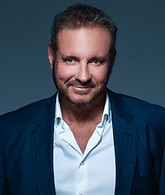
Stephen Fesik obtained a PhD in Medicinal Chemistry from the School of Pharmacy at the University of Connecticut and was a postdoc in the Department of Molecular Biophysics and Biochemistry at Yale Medical School. After his postdoc, he joined Abbott/Abbvie where, he was promoted to the highest level of the scientific ladder and served as Divisional Vice President of Cancer Research from 2000-2009. In 2009, he was recruited to Vanderbilt University where he is a professor of Biochemistry, Pharmacology, and Chemistry and holds the Orrin H. Ingram, II Chair in Cancer Research. Dr. Fesik has trained 75 postdocs, has over 300 publications and 75 patents, has been an invited speaker at many national and international meetings, has won several awards, and served on many Editorial and Scientific Advisory Boards. The focus of his research is on discovering drugs for highly validated but challenging targets using fragment-based methods and structure-based design.
Kate Jackson
C4 Therapeutics
Discovery of CFT8634, a Potent, Selective, and Orally Bioavailable Heterobifunctional Degrader of BRD9.
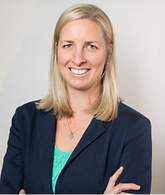
Kate earned her PhD in chemistry from the University of Colorado at Boulder. After her graduate studies, she completed a postdoctoral fellowship at Harvard University, where she worked with Professor Yoshito Kishi on the total synthesis and biological evaluation of natural products. Following her graduate work, Kate joined the medicinal chemistry team at Vertex Pharmaceuticals where she contributed to programs across multiple indications, including oncology, virology, and CNS disorders. Since 2018, Kate has been working in the targeted protein degradation space, mainly leading discovery-phase oncology programs at C4 Therapeutics.

Phenotypic discovery and optimization of TRIM21-recruiting molecular glue degraders.
Dr. Steven M. Corsello is an Assistant Professor of Medicine (Oncology) at Stanford University, with a courtesy appointment in Chemical and Systems Biology. As a physician-scientist, his lab operates at the intersection of functional genomics and chemical biology, aiming to advance novel molecular mechanisms of cancer inhibition toward clinical use. He received his AB in Biochemical Sciences from Harvard University and his MD from Harvard Medical School, followed by residency training in Internal Medicine at Massachusetts General Hospital and subspecialty training in medical oncology at the Dana-Farber Cancer Institute. He founded the Drug Repurposing Hub—a unique, publicly available collection of over 6,000 existing drugs—which powers the PRISM Drug Repurposing Screen, identifying compounds with unexpected selective anti-cancer activity. Dr. Corsello’s work has been recognized with the Damon Runyon Clinical Investigator Award, the American Society of Clinical Oncology Young Investigator Award, and a National Cancer Institute Career Development Award.

Anthony Rullo
McMaster University
Dual Covalent Stabilization of Ternary Complexes for "Induced Proximity" at the Cell Surface.
The focuses of the Rullo Translational Chemical Biology research program are directed at integrating the tools of organic chemistry physical biochemistry and immunobiology to develop new molecular approaches capable of interrogating and modulating immune recognition of disease. This research program is founded within the scientific environment of the Center for Discovery in Cancer Research (CDCR) and McMaster Immunology Research Center (MIRC). Prof. Rullo’s chemical biological scientific training and experience, encompasses the development of chemical strategies and probes to study immunologically relevant biomolecular interactions and modulate the function of macromolecules such as lectins and antibodies. This work also founds the development of new synthetic tumor immunotherapeutic tools including covalent immune recruiting molecules. After obtaining his undergraduate degree in Biochemistry at McMaster University, Prof. Rullo began studying structural carbohydrate chemistry and polysaccharide vaccine development with Mario A. Monteiro during his master’s studies at the University of Guelph. As a doctoral student under the supervision of Mark Nitz at the University of Toronto, he developed fluorescent chemical probes of complex glycosaminoglycan binding interactions, in addition to new carbohydrate directed affinity labeling bio-conjugation strategies. Dr. Rullo conducted his postdoctoral research in David A. Spiegel’s laboratory at Yale, working to develop new bi-functional small molecule based immunotherapeutic approaches. This yielded the discovery of first in class antibody recruiting molecules capable of targeting highly metastatic cancers in vivo. He currently serves as the scientific founder and CSO of BICOVA Therapeutics, a new biotech company spun out of McMaster University in 2024.

February 5th, 2026
Host: Hubert Huang
Michelle Arkin
UCSF
Molecular glues for native protein-protein interactions.
Michelle Arkin is a chemical biologist, Executive Director of the Small Molecule Discovery Center, and Vice Dean of Research Technology and Entrepreneurship in the School of Pharmacy at UCSF. Her research focuses on developing methods and molecules that target currently ‘undruggable proteins,’ including protein-protein interactions and dynamic or intrinsically disordered proteins. For this work, she was recognized by the 2024 American Chemical Society (ACS) Cope Scholar Award, 2024 ACS/Biochemistry Gordon Hammes Lecturer Award, and 2025 Harrison Howe Award (Rochester section of the ACS). Prior to UCSF, Michelle was a scientist at Sunesis Pharmaceuticals, where she helped discover small molecule inhibitors of IL-2/IL-2R and LFA/ICAM (the anti-inflammatory drug lifitegrast, marketed by Novartis). She serves on the advisory boards for several pharmaceutical companies and is a co-founder of Elgia Tx, Ambagon Tx, ResNovas Tx, and BNM Oncology.

.jpeg)
February 19th, 2026
Host: Katherine Donovan / Mikolaj Slabicki
Chase Suiter
University of Washington
Multiplex design and discovery of proximity handles for programmable proteome editing.
Chase Suiter develops technologies to profile and program protein degradation. As part of his graduate work, he combined computational protein design and high-throughput cellular screening methods to discover “proximity handles” that enable programmable proteome editing using effectors from the UPS and autophagy pathways. His long-term goal is to develop computationally designed therapeutics to treat complex human disease.
Carles Galdeano
University of Barcelona
From Exploiting Binding Sites on E3 ligases to Developing Allosteric Modulators of the FBW7 E3 Ligase.
Dr Carles Galdeano is currently an Associate Professor at the University of Barcelona. He obtained his PhD in medicinal chemistry at the University of Barcelona. After that, he spent three years post-doc in Alessio Ciulli’s lab (first at the University of Cambridge and later at the University of Dundee) where they developed the first potent VHL ligands described. His postdoctoral discoveries represented a breakthrough in the PROTACs field. In 2015, he returned to the University of Barcelona to work in collaboration with Prof Barril until 2019, when he started his independent research group. Dr Galdeano is also co-founder of Oniria Therapeutics. His lab is interested in expanding the druggable proteome since most proteins are still considered undruggable for conventional drug discovery approaches.
March 5th, 2026
Host: Breanna Zerfas
Safety of Targeted Protein Degraders: HESI Global’s Collaborative Framework and Portfolio Highlights.


Targeted protein degraders (TPDs) represent a rapidly expanding therapeutic modality, yet their novel mechanisms introduce unique and unresolved safety challenges. The Targeted Protein Degrader Safety Committee at the Health and Environmental Sciences Institute (HESI Global) is a precompetitive, multi-sector consortium dedicated to advancing scientific consensus on the translational safety assessment of TPDs. The session will highlight two collaborative efforts from the Cereblon (CRBN) Workgroup: 1) a review that synthesizes current knowledge on the biology of CRBN, off-target neosubstrate degradation, species differences, and best practices for safety testing of CRBN-recruiting molecular glue degraders and PROTACs; 2) ongoing experimental work designed to directly link neosubstrate degradation with human-relevant in vitro teratogenicity signals using cell–based assays and proteomics. Together, these efforts exemplify HESI Global’s role in generating science-based actionable, translational reference information to support the safe development of next-generation TPDs.
HESI TPD Safety Committee Website: https://hesiglobal.org/targeted-protein-degrader-safety/
Cissy Li
HESI Global
Cissy Li is a scientific program manager at the Health and Environmental Sciences Institute (HESI Global). She holds a PhD in Molecular and Translational Toxicology from the Johns Hopkins Bloomberg School of Public Health and a Certificate in Risk Sciences and Public Policy. She has eight years of experience at the U.S. Food and Drug Administration, where she served in the Center for Food Safety and Applied Nutrition and the Center for Tobacco Products. Her work spanned chemical safety and risk assessment, regulatory science, and interdisciplinary research focused on evaluating toxicity and public health impact, where she led cross-functional scientific teams and helped advance evidence-based regulatory decision-making. At HESI, she now manages multi-stakeholder, collaborative, precompetitive research in the Targeted Protein Degrader Safety and Antibody-Drug Conjugate Safety programs.
James Sidaway
ApconiX
James Sidaway is an innovative mechanistic toxicologist with over 25 years of experience in the pharmaceutical industry. As a molecular-investigative toxicologist at AstraZeneca, he helped resolve safety issues for drug discovery and development projects across the major therapy areas. At AstraZeneca and as an independent consultant, he pioneered advanced in vitro models for organ toxicity screening and applied novel technology and informatics platforms for safety assessment. In 2021, James joined ApconiX, a UK-based company specializing in nonclinical toxicology and ion channel electrophysiology, to enhance its target safety assessment function. He is now head of ApconiX’s Safety Science Group, leading over 20 toxicologists and data scientists to deliver target safety and drug toxicity solutions through expert insight and state-of-the-art informatics.
Benjamin Elser
Bristol Myers Squibb
Benjamin Elser is a Senior Scientist in the Developmental and Reproductive Toxicology group at Bristol Myers Squibb. He obtained his PhD in Human Toxicology from the University of Iowa. In his current role at BMS, he is responsible for the design, oversight, and interpretation of developmental and reproductive toxicology studies, as well as the development of in vitro screening methods to assess the teratogenic risk of drug candidates. As a member of the HESI Targeted Protein Degrader Safety Committee, he contributes to a collaborative project focused on evaluating the relationship between neosubstrate degradation and in vitro teratogenicity signals for Cereblon-engaging targeted protein degraders.
March 19th, 2026
Host: Mikolaj Slabicki

Daniel Finley
Harvard Medical School
Global remodeling of the proteome.
Dr. Finley's group is interested in various aspects of the ubiquitin-proteasome system. Current work on the proteasome mainly involves factors that reversibly associate with it and regulate its activity, such as the deubiquitinating enzyme Ubp6, the ubiquitin ligase Hul5, and the proteasome inhibitor Ecm29. Ubp6 attacks ubiquitin chains on proteins that have docked at the proteasome, suppressing their degradation, while Hul5 opposes Ubp6, adding to these chains to promote processive degradation of the ubiquitinated protein. Another project involves global proteome remodeling, which occurs in various cell types undergoing differentiation, and may involve thousands of proteins. Proteome-wide remodeling programs play a key role in transitioning cells to differentiated states, and are principally driven by a handful of specialized ubiquitin ligases.

John Hanna
Brigham & Women’s Hospital
Development of Novel Proteasome Inhibitors Based on the Endogenous Inhibitor PI31
John Hanna is an Associate Professor at Harvard Medical School and an associate Pathologist in the Department of Pathology at the Brigham & Women’s Hospital. John received his undergraduate degree from Stanford and his MD and PhD degrees from HMS. John’s lab studies the basic mechanisms of protein degradation by the proteasome, with an emphasis on the assembly and regulation of the proteasome’s core particle, which is the subcomplex that harbors its proteolytic active sites. John is also a practicing physician focused on skin and soft tissue pathology, and has separate investigative interests in the molecular and cellular basis of cutaneous tumors.

April 2nd, 2026
Host: John Che
Qian Cong
UT Southwestern
Dr. Cong is a computational biologist interested in mining large-scale data for biological insights. She focused on evolutionary genomics as a graduate student and worked on computational structural biology as a postdoctoral fellow. Leveraging on her expertise in genomics, evolution, and protein structure modeling, her lab uses coevolution signals between proteins to predict protein-protein interaction (PPI) and model 3D structures of protein complexes on a proteome-wide scale. The approach showed comparable performance to large-scale experimental screens in bacteria. Recent breakthroughs in modeling protein structures to atomic accuracy using deep learning (DL) methods (AlphaFold and RoseTTAFold) further empowered our PPI screen. In a project she co-led, they identified and modeled hundreds of Yeast protein complexes that provided functional insights into many biological processes. This advance was recognized as part of “the breakthrough of the year 2021” by Science. Despite the success of the methods in yeast, applying them to human proteins posed significant challenges. Recently, she overcame these hurdles by enhancing coevolution signals with draft genomes and developing new deep-learning methods designed explicitly for PPI prediction. With these substantial methodological advancements, she is now poised to explore the human interactome and uncover insights into protein function and human diseases.

April 16th, 2026
Host: Zuzanna Kozicka / Sean Gao
Hong-Yu Li
University of Texas Health Science Center
Endocytic Medicinal Chemistry: Overcoming Delivery Barriers in Induced-Proximity Therapeutics.
Dr. Hong-yu Li is a medicinal chemist and drug hunter trained at the University of Tokyo (Ph.D.), with postdoctoral research at Columbia University and Harvard University. He previously worked in oncology drug discovery at Eli Lilly & Company, where he contributed to multiple clinical candidates, including the development of the FDA-approved CDK4/6 inhibitor abemaciclib (Verzenio®).
His academic research, conducted at the University of Arizona, the University of Arkansas for Medical Sciences, and currently at the University of Texas Health Science Center at San Antonio, focuses on achieving translational impact by overcoming fundamental limitations in small-molecule drug design.
In the field of protein degradation, his research group was the first to demonstrate the degradation of previously undrugable targets through DNA double-helix–based molecular recognition, establishing translational feasibility for a new class of degraders. The Li laboratory has also made key chemical contributions, including the identification of 3-phthalimide acid as a cereblon ligand and the development of scalable synthetic methodologies for VHL ligands. More recently, his team discovered that CD36 functions as a receptor mediating the endocytic uptake of PROTACs and other large or polar molecules, leading to the establishment of an endocytic medicinal chemistry framework that addresses a central delivery bottleneck in induced-proximity therapeutics.

Vanessa Narin Dippon
Harvard University
Identification of an Allosteric Site on the E3 Ligase Adapter Cereblon.
Born in San Francisco, California, Vanessa Narin Dippon received her Bachelor of Arts in Chemistry from Columbia University in 2021 where she studied under Professor Tomislav Rovis. In the Rovis lab, Vanessa studied the directed evolution of monomeric streptavidin rhodium(III) artificial metalloenzyme to catalyzes the formation of enantioenriched d-lactams. Vanessa is currently a PhD candidate and National Science Foundation (NSF) Graduate Research Fellow at the Harvard University Department of Chemistry and Chemical Biology studying under Professor Christina Woo. Her research utilizes chemical biology, organic synthesis, and mass spectrometry to study the E3 ligase substrate adapter protein cereblon. Specially, Vanessa is investigating the functional contribution of a novel allosteric site on cereblon and its implications for treating hematopoietic malignancies.

April 30th, 2026
Host: Mikolaj Slabicki
Ning Zheng
University of Washington
Orthosteric Molecular Glue (OMG) Inhibitors: A Selective Blockage.
Dr. Ning Zheng obtained his PhD from University of Texas Southwestern Medical Center in 1997 after he attended Fudan University in Shanghai, China. He did his postdoctoral studies at Memorial Sloan-Kettering Cancer Center and joined the faculty at the Department of Pharmacology in the University of Washington in 2002. He is currently Howard Hughes Medical Institute Investigator and an AAAS Fellow. His current research focuses on structural and functional analyses of ubiquitin ligases, their roles in human biology and plant hormone signaling, and their potential in mediating targeted protein degradation for novel therapeutic drug development. A pioneer in Targeted Protein Degradation, he originated the "molecular glue" concept to explain the action of auxin and jasmonate. His research continues to elucidate how this powerful effect is utilized by nature and leveraged for novel therapeutics.

May 14th, 2026
Host: Mikolaj Slabicki
Zoran Rankovic
The Institute of Cancer Research, London UK
Zoran is a Professor of Chemical Biology and Director of the Centre for Protein Degradation (CPD) at the Institute of Cancer Research (ICR), London UK. Prior to joining the ICR, Zoran was Director of Chemistry at St Jude Children’s Research Hospital in Memphis, Tennessee, where he established and directed a productive Targeted Protein Degradation program, which developed novel cereblon warheads, PROTACs, and molecular glue clinical candidates. Before St Jude, Zoran was medicinal chemistry director and research fellow at Eli Lilly, Merck, Schering-Plough, and Organon. Zoran obtained his PhD in Medicinal Chemistry from the School of Chemistry at the University of Leeds, UK. During his industrial career Zoran directed teams that delivered multiple clinical candidates over a range of therapeutic areas including oncology, neurodegeneration, psychiatry and cardiovascular disorders. Zoran authored and co-authored over 100 peer-reviewed scientific publications and 30 patents, a dozen book chapters and edited two books on drug discovery topics.

May 28th, 2026
Host: Katherine Donovan / Sean Gao
Bekky Feltham
WEHI
E3 Ligases, From Cellular Regulators to Drug Targets.
Rebecca (Bekky) Feltham is a Laboratory Head at Walter and Eliza Hall Institute of Medical Research and co-founder of Ternarx. She has over 20 years’ experience in ubiquitin signalling, E3 ligase biology, and more recently targeted protein degradation (TPD).
Her research focuses on understanding and exploiting the ubiquitin system to enable new therapeutic strategies. She led the development of the E3 Ligase Compendium (the E3-ome), a globally collaborative effort involving more than 40 leading laboratories, creating the first comprehensive, expert-curated map of the human E3 ligase landscape to drive degrader discovery. She also co-developed NanoTACs in partnership with PROMEGA and established tag-targeting degrader platforms for target validation at WEHI, now used by more than 30 research groups nationally.
Ternarx is a biotechnology company developing degrader therapies for cancer and inflammatory disease. At Ternarx, she leads two core platforms, tag-targeting degrader modelling for rapid preclinical target validation, and TissueSAFE, a discovery framework for identifying tissue-selective E3 ligases. Together, these platforms underpin the company’s pipeline and are designed to de-risk therapeutic development at the earliest stages.
Outside the lab, Rebecca is also a mum and a strong advocate for flexible working, which has informed her approach to leadership, resilience, and creating supportive environments.

Vasileios Voutsinos
University of Copenhagen
Mapping degrons in human proteins.
Vasileios Voutsinos is an Assistant Professor at the University of Copenhagen. He completed his PhD in DNA repair and genome stability. During his postdoctoral studies, he switched his focus to the area of proteostasis, specifically trying to map degrons in human cytosolic proteins and transcription factors.
As part of his postdoctoral training, he was a Visiting Postdoctoral Scholar for one year at the University of Washington, where he learned about cutting-edge high-throughput techniques to analyze protein variants using growth and FACS-based assays.
His current research focuses on using these approaches to study the impact of protein mutations on function and abundance, as well as further understanding of human degrons and mechanisms of targeted protein degradation.

June 11th, 2026
Host: Mikolaj Slabicki
Michael Rapé
UC Berkeley
Modulating protein complexes in development and disease.
Michael Rapé is an Investigator of the Howard Hughes Medical Institute, the founding Head of the Molecular Therapeutics Division, and the Dr. K. Peter Hirth Chair of Cancer Biology at UC Berkeley.
Michael’s work revealed ubiquitin chain types, essential ubiquitylation enzymes and substrates, and ubiquitylation mechanisms essential for development and disease. He is known for developing the “ubiquitin code” hypothesis, discovering the role of VCP as a ubiquitin-dependent segregase, identifying quality control programs such as the reductive stress response and dimerization quality control, and pinpointing stress response silencing as a crucial process preventing neurodegenerative disease. His work has been recognized with a Pew Scholar’s Award, an NIH Director’s New Innovator Award, a Vilcek Prize for Creative Promise, and the National Blavatnik Award. Michael has recently been elected as foreign member of EMBO.
Michael co-founded Nurix, Zenith, Lyterian and Reina Therapeutics, and he is an iPartner at The Column Group Ventures.

June 25th, 2026
Host: Breanna Zerfas
Chetan Chana
Lunenfeld-Tanenbaum Research Institute
Identification of CLEO4-88 as a molecular glue of GID4 and ACAA1
Chetan obtained her BSc at the University of Western Ontario, Canada, where she completed a thesis project in Dr. Gary Shaw’s lab and gained interest in the ubiquitin-proteasome system. Thereafter, Chetan completed her PhD at the University of Toronto in Dr. Frank Sicheri’s lab. Her graduate research focused on the structure and function of CTLH E3 ligase complexes and the development of small molecules to the CTLH substrate adapter subunit GID4. She will be sharing some of that work today. Currently, Chetan works as a research scientist in a biotech company in the Bay Area.

Monica Rodrigo
AstraZeneca
Engineering Selective Cereblon Engagement: Mechanistic Insights and Proteome‑Wide Off‑Target Assessment for Safer Targeted Protein Degraders
Monica Rodrigo joined AstraZeneca in 2019 with over 15 years of experience in the ubiquitin field. She received her PhD from University of California, San Francisco, where she studied the Anaphase Promoting Complex, a megadalton E3 ubiquitin ligase, and the role that E2 ubiquitin conjugating enzymes play in ubiquitin chain extension. She came to the UK for her postdoc at the Laboratory of Molecular Biology in Cambridge, where she studied the ubiquitin-dependent degradation of mislocalized membrane proteins. Prior to joining AZ, she was a principal laboratory research scientist at the Francis Crick Institute, working on DNA repair mechanisms. She joined the PROTAC Safety team in Clinical Pharmacology and Safety Sciences in 2019, helping to shape the safety strategy for targeted protein degraders.

July 9th, 2026
Host: Mikolaj Slabicki
Steven Banik
Stanford University
Detecting and Rewiring Cellular Interactomes
Steven Banik is an Assistant Professor in the Chemistry Department at Stanford University and an Institute Scholar at the Sarafan ChEM-H Institute. Steven earned a BS in Chemistry from the University of Wisconsin-Madison and a Ph.D. in Chemistry from Harvard University working with Professor Eric Jacobsen. He conducted postdoctoral research with Professor Carolyn Bertozzi at Stanford University. His research combines chemical biology, organic chemistry, protein engineering, cell and molecular biology to precisely manipulate the biological machines present in mammalian cells and drive discovery at the molecular and genetic scales. His group’s work has been recognized with the NIH Director’s New Innovator Award, Pew Biomedical Scholars Award, Beckman Young Investigator Award, Moore Foundation Inventor Fellowship, a Hypothesis Fund Award, Ono Pharma Breakthrough Science Initiative Award, and a Sloan Research Fellowship.

July 23rd, 2026
Host: Sean Gao
Ram Bhaskara
Frankfurt Institute for Advanced Studies (FIAS)
Multi-scale classification decodes the complexity of the human E3 ligome
Ram Bhaskara received his bachelor's degree in Chemistry and Biochemistry from Osmania University, India. He then joined the Integrated Ph.D. program in Biological Sciences at the Indian Institute of Science, India. During this period, he gained research experience in various labs (from field ecology to molecular biophysics). He then joined Prof. N. Srinivasan's group for his Master's and Ph.D. During this period, he developed novel computational tools and analysis schemes to understand the "Structure, Stability, and Evolution of Multi-domain proteins." Ram was honored with the B. H. Iyer Gold Medal for the best doctoral thesis from the Molecular Biophysics Unit (2014). He then began his post-doctoral stint with Prof. Gerhard Hummer at the Max-Planck Institute of Biophysics, Frankfurt. Ram worked on diverse membrane remodeling processes: curvature induction, budding, fusion, & poration, primarily using physics-based modeling and simulation approaches. He developed and pioneered novel simulation methods to model dynamic processes inaccessible to experiments. Ram moved to the Institute of Biochemistry II, Goethe University, in September 2020 as a team leader for Computational Cell Biology to work on Data integration problems, modeling, and simulations of complex systems. In June 2026, he moved to the Frankfurt Institute for Advanced Studies (FIAS) and the SCALE cluster of excellence as a group leader in Digital Cell Biology. He is interested in understanding biophysical mechanisms shaping the complex cellular architecture at various scales. His research focuses on developing computational tools to analyze and decipher molecular mechanisms.

Hilary E. Nicholson
Tango Therapeutics
TNG961: A selective, oral molecular glue degrader of HBS1L for the treatment of FOCAD-deficient cancers
Hilary E. Nicholson, PhD, is an Associate Director in Discovery Biology at Tango Therapeutics. Since joining Tango in 2020, she has led discovery efforts spanning oncology target validation, drug discovery, biomarker strategy, and translational science, including as Program Lead for TNG961, an oral molecular glue degrader of HBS1L for the treatment of FOCAD‑deficient, chromosome 9p21‑deleted cancers.
Prior to joining Tango, Dr. Nicholson completed postdoctoral training in the laboratory of William G. Kaelin, Jr., MD, at Dana‑Farber Cancer Institute/Harvard Medical School, studying synthetic lethal vulnerabilities associated with VHL loss in clear cell renal cell carcinoma. This work contributed to the foundation for a clinical trial and was supported by an NIH F32 fellowship. She earned her PhD in Molecular Pharmacology and Physiology from Brown University and a BA in Biochemistry from Colgate University.
Dr. Nicholson is delighted to return to DFCI to present: “TNG961: A selective oral molecular glue degrader of HBS1L for the treatment of FOCAD-deficient cancers” in the TPD Webinar Series. While Dr. Nicholson is presenting this work, she does so on behalf of a broader, highly collaborative team at Tango. This work reflects the collective efforts of her colleagues across biology, biochemistry, chemistry, translational science, and development, whose expertise and partnership were essential to advancing TNG961 to this milestone.